BeautyInTheAgeOfDigitalArt
ElegantMediamoderators: Maja Kuzmanovic (FoAM) and Michael Samyn (Tale of Tales)
wednesday may 24, 2006 3pm
matrix art project, brussels

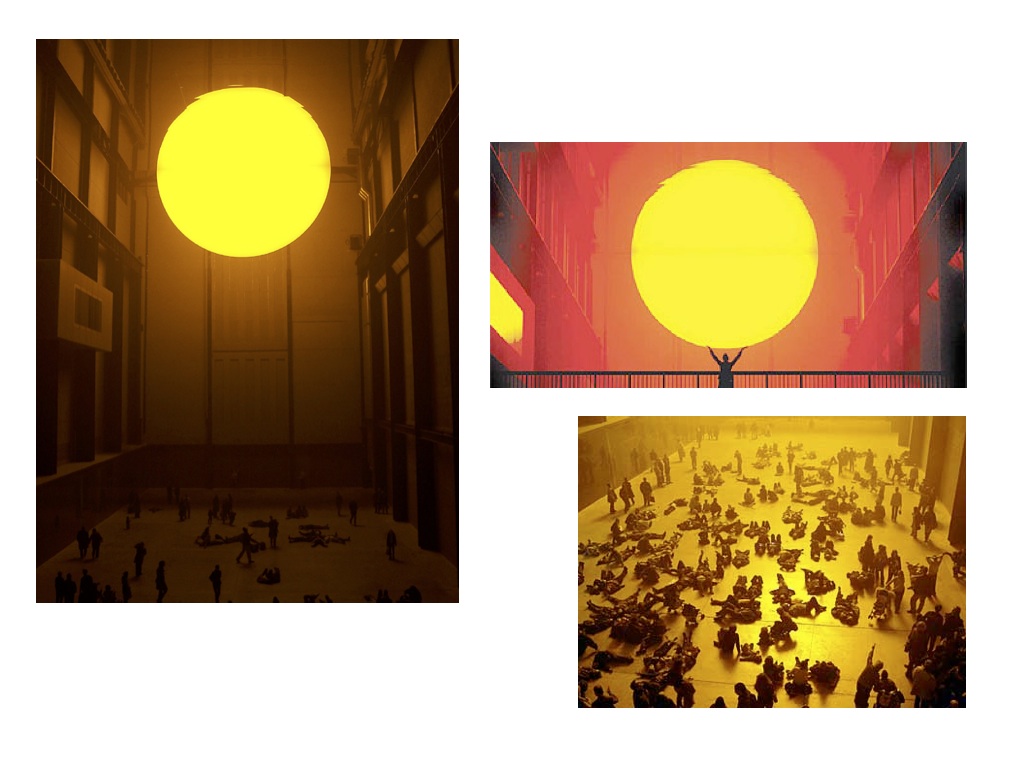
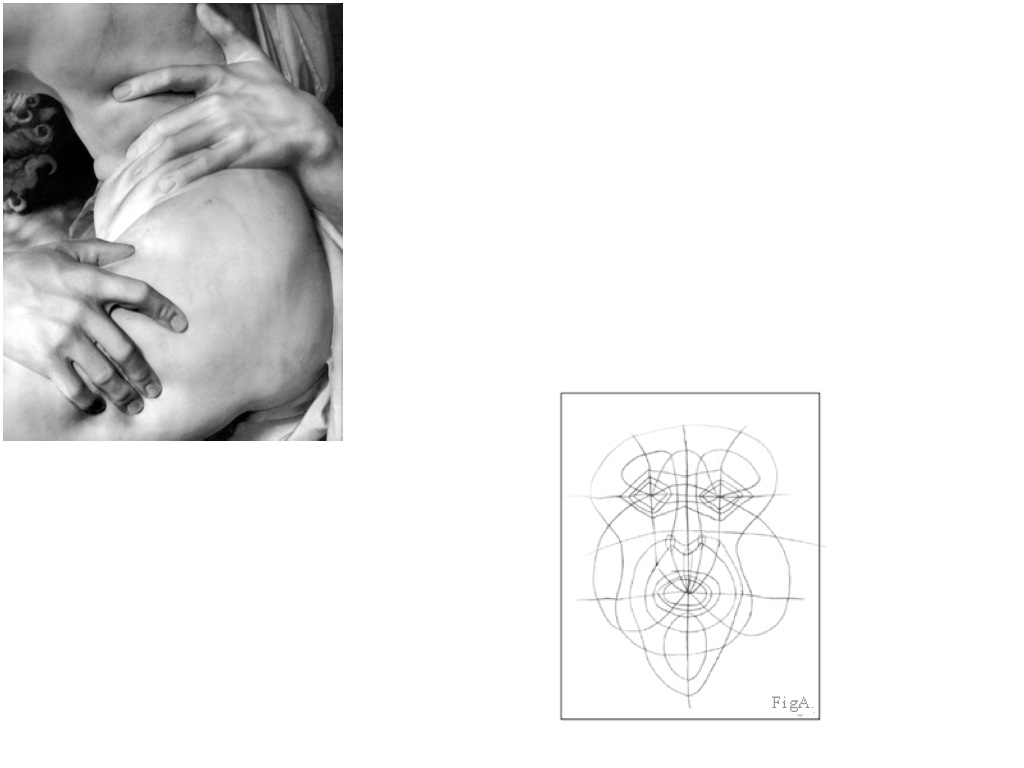
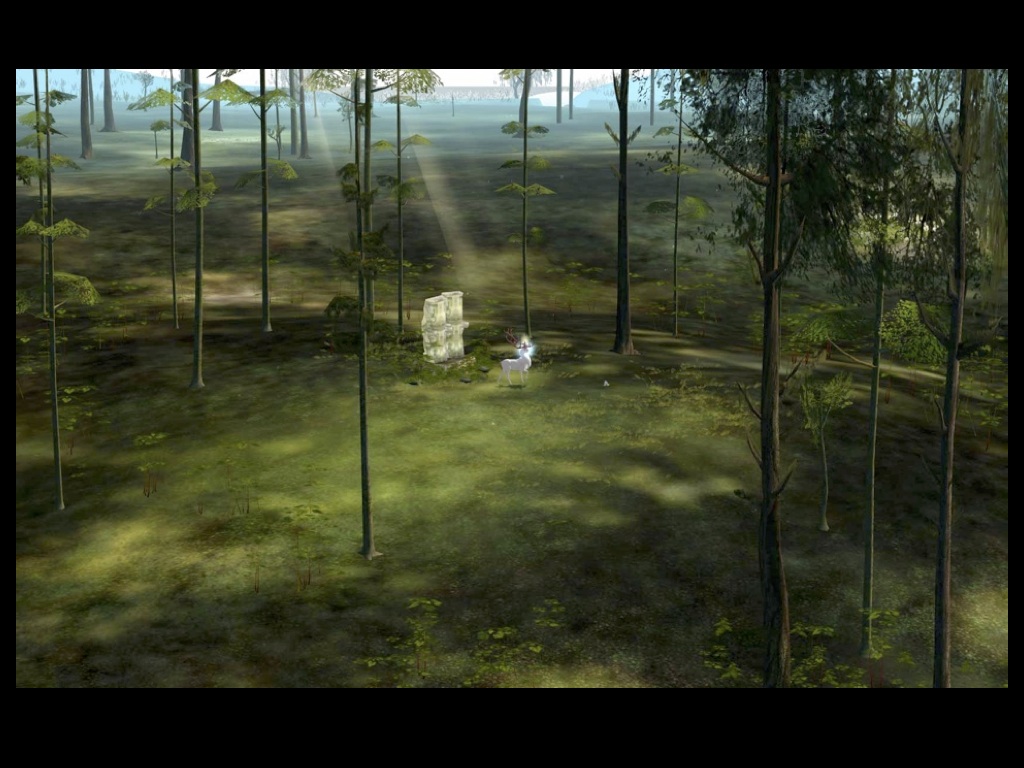
Let's talk about aesthetics - a term that became a taboo in many contemporary arts circles for nearly a decade. Swept away as the frilly fluff that adorns much of the mainstream entertainment, in the 'media arts', beauty became subordinate to elaborate concepts, social context, critical theory and technological functionality. However, we are quite sure that even the most rigorous of media artists like to see, hear, touch, wear and immerse themselves in an atmosphere which resonates with their aesthetic sensibilities. We would like to know what are these sensibilities and how people incorporate them in their artistic adventures. How does aesthetics relate to the technologies we use and develop? Is it dictated by the tools, or can we bend the tools to make something we consider beautiful? When we work on collaborative projects, do people make compromises, or do they give each other a 'carte-blanche'? Is there such a thing as 'democratic aesthetics'? Can different people's aesthetics connect or disconnect a piece together in distributed, networked, realtime performances? And finally, how do we talk about it, without offending anyone's most intimate sensibilities?
With: Guy van Belle (Society of Algorithm, mxHz.org), Auriea Harvey (Tale of Tales), Lawrence Malstaf and Bartaku (and jodi too, it seems -Au)
more info: http://okno.be/?id=815
see also:aesthetics
IT
Auriea: Your work has often been praised as very feminine, digital
eye-candy. What does beauty mean in your work? In your situation, does
working collaboratively mean compromise, fusion or multiplication? Do
players/users react to your particular aesthetic choices? Do you want to
make things that appeal to many different audiences and if yes, how?
What emotional states does making and/or experiencing beautiful things
provoke in you? What is it about fairy tales that makes them such
fertile material for your work?
Considering the senses
Somewhere in the modern era a definition of beauty was lost. Especially in new media art, artists associate beauty with the creation of simple visual “prettiness”. As if aesthetics are something shallow which should not be part of the equation when designing technological systems. In the meantime offline art has become simplified to commodity, decoration and private possession while audiences are left to the mercy of a poorly designed pop culture. My standpoint is that beauty is a language that communicates to entire cultures and should be shared with the masses. In my small case, it is shared with networked communities. I look into past eras for a lost history of beauty. One which is deeper than the surface of what one can see. As a creator of 3D interactive environments I feel there is an opportunity to connect to artistic traditions of storytelling and craft through design. In virtual environments filled with non-verbal and multi-sensory narratives, design is about architecting the experience of interaction for the audience. This requires considering the entire aesthetic illusion. It is most important to ensure that the confrontation between audience and virtual world communicates the intended message but also allows imaginations to run wild. Beauty of the totality of the world an interactor experiences, concentrating on the big world and not just individual elements and not stopping at a pretty picture is essential to achieving these goals.
What new media art doesn't consider enough are the bodies of those who experience.
	From: 	  maja
	Subject: 	Beauty in the age of digital art
	Date: 	2006年5月18日 18:15:35 GMT+02:00
	To: me
Hi,


Thank you for accepting to participate in the panel discussion about "Beauty in the age of digital art" during Okno Public01. The panel will take place on Wednesday 24 May from 3 to 4.30 PM at Matrix Art Project, Koolmijnenkaai 30/34 in Brussels (more info on: http://okno.be/?id=815).
The moderators of this panel are Maja Kuzmanovic and Michael Samyn. The participants are Auriea Harvey, Guy Van Belle, Bartaku, Lawrence Malstaf and Jodi. We believe that this spicy mix will lead to a very interesting discussion!


Here's a bit more information about the panel, which can help you prepare for it. we'd like your contribution to the panel to be a bit
more heterogeneous than the usual 15 minute presentation + 10 minutes
for questions. we'll send you our plan as soon as we finalise it.

This is what we want to ask you to prepare:


---> Materials we need from you beforehand

!!! please email them the latest on the 23rd of May (Tuesday)!!!

1. *your bio* (max 300 words). this will be printed out and given to the
audience before the panel, as well as used in okno's onsite publication

2. *abstract of your presentation* (max 500 words). this will be printed
out and given to the audience before the panel, as well as used in
okno's onsite publication

3. *visuals/sound/slides* to use during your presentation. to avoid
wasting time with swapping computers, we would like to collect your
presentations on one computer. so if you want to use visual/sonic
material during your talk, please send us max 5 images/sounds (examples
of your work, other people's work, websites, quotes...) that we can
project. no power point slides. if you want to use slides, please
convert them to .pdf.

4. *examples of artworks* that you consider aesthetically inspiring and
that _somehow_ relate to your work (can be both love and hate ;) . any
period in history, any media. we will use this to make a mix to project
during our introduction and use some of them in the discussion.


---> During the panel: presentations

your presentations should be no longer than five minutes, and should be
a statement / reflection on the questions that we ask you (see below).
you can use your and other people's work to illustrate your talk.

For everyone's presentations: think about aesthetics in your own work.
we'd like all of you to think about how does beauty relate to your
artistic practice? how do you deal with, talk and make beauty in
collaborative works? what happens when works are generative, responsive,
evolving through the contact with players/participants/users?


---> During the panel: discussion

We will have two parts of the discussion (that can be merged) - one will
be the q&a about your presentations (we very much encourage you to ask
questions to each other!!), the other will be a more general discussion
on 'aesthetics in the age of digital art', guided by several example
artworks/statements - so if you have examples of people and/or their
work that you want to discuss, please let us know.


-----------> things to think about

Finally, to help you focus your presentations, here's what we're
interested to hear from you:

Jodi: The relentless repetition and multiplication of hostile and
aggressive (retro) computer graphics in your work often culminate in an
almost ecstatic experience. Is your work critical of technology? What do
the mysterious and the unknown mean in your work? Could your work be
interpreted as a process of transformation towards the sublime? Do you
think your work is beautiful? How do you feel about modernist ideas
about the truthfulness of materials and the crimes of decoration? How
does working together as a gender-mixed couple influence the aesthetic
decisions that you make?

Lawrence: The human body takes a central place in your work. How do you
feel about the "escape to virtuality" of so many other
technology-inspired artists? What do you find interesting about
confronting human spectators with technology in such a physical way? Do
you feel that your work refers to certain narratives somehow? Where is
the beauty in your work? Do you consider yourself (part) designer,
(part) engineer? How do you feel about the pre-modern desire to create
uplifting art, art that makes the spectator feel good about being human?

Auriea: Your work has often been praised as very feminine, digital
eye-candy. What does beauty mean in your work? In your situation, does
working collaboratively mean compromise, fusion or multiplication? Do
players/users react to your particular aesthetic choices? Do you want to
make things that appeal to many different audiences and if yes, how?
What emotional states does making and/or experiencing beautiful things
provoke in you? What is it about fairy tales that makes them such
fertile material for your work?

Bart: When you talk about work you usually talk about communication.
What is the relationship between language and beauty? What is for you
the beauty of information? Does the aesthetics of your individual works
differ from your collective works and how? How do you marry the physical
and the digital aesthetics? How does the sensibility of indigenous
artforms relate to the digital works?

Guy: You often proclaimed that your work is all about collaboration and
process. how does beauty come into this equation? How do you deal with
making beauty in realtime, networked performances? Is there such a thing
as 'democratic aesthetics'? Can different people's aesthetics connect or
disconnect a piece together in distributed, networked situations? what
is it about the 20th century that you find so appealing?

---

Hope this is not too much to digest, but we're both very excited about
this panel and want to make it as interesting for both you and our audience!

Let us know if anything is unclear or if you need any more information.
About the logistics, please contact annemie@okno.be

warm regards,
m&M (the moderators)